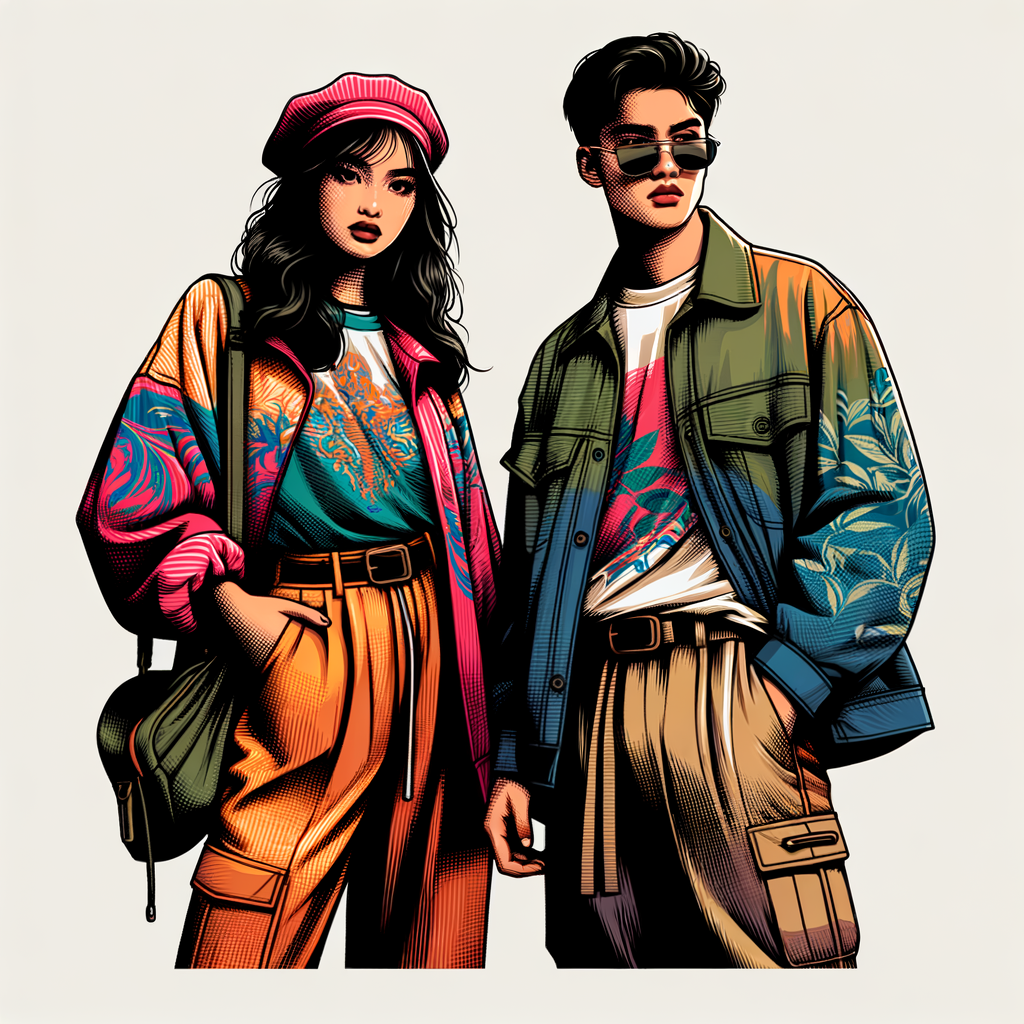
Sublimation vs. DTF: The Best Printing Method for Your Sweatshirt on Designzr
Printing Methods Introduction
Choosing the right method for printing your sweatshirts can have a big impact on quality, durability and satisfaction of customers in apparel Sector which is always changing. If you are a company catering to Print on Demand (POD) services inclined towards an evolved market, it is vital for you to comprehend the subtleties of printing techniques. In this blog, we are going to look at the 2 of most common printing such as Sublimation and Direct-to-Film (DTF) Printing by knowing their pros, cons and when it is suitable for Designzr.
Pro-Cons of Sublimation
Pros:
- High-Quality, Bright Colors: The dye in sublimation printing goes directly into a fiber, then it is closed to the sun. The end product often looks highly professional and its design will hold up through many washes.
- Soft Feel: The dye is part of the material so your printed area stays soft like non-printed areas.
- Durability and Longevity: Sublimated prints are long lasting because the dye is absorbed into a material. This makes it great for long-lasting, high-quality garments that will be worn and washed many times.
- Unlimited Color Choices: Sublimation allows for nearly limitless colors, complicated or colorful designs can be faithfully replicated.
- Eco-Friendly: Sublimation is preferable because it results in less waste during printing.
Cons:
- Fabric Limitations: The major con with sublimation is that it can only be used on polyester and polyester-blend fabrics. Natural fabrics are not good for sublimation and cotton is a prime example!
- Higher Initial Cost: Sublimation printing requires specialized printers and inks, so the up-front costs can sometimes be higher than other methods.
- Darker Colored Fabric Restrictions: White or light-colored fabric works best with sublimation. However, you may not get the same vibrant color results and printing on dark fabrics can be a challenge.
DTF (Direct-to-Film) Pros and Cons
Pros:
- Versatility: DTF printing lends itself well to a range of fabric types — from cotton, polyester and nylon as standalone materials or blends with others. This makes for the ultimate level of flexibility in terms of garment type.
- Vibrant and Rich Colors: The colors from DTF come out very vibrant and full, even on darker garments. This allows to fit into a huge variety of color schemes and designs.
- Cost-Effective: DTF can often be more affordable, cost-wise up front in equipment and materials than sublimation.
- Detail and Precision: DTF printing has a granular level of detail and operates with high precision which means it can replicate very detailed designs as well small text if necessary.
- Solid Durability: The prints made with DTF are long-lasting it holds up through numerous washes without visible changes in color or falling apart.
Cons:
- Hand Feel: One thing you can see is the printed area may feel a little stiffer than sublimation. The texture difference might not be uncomfortable, but it can certainly be felt.
- Transfer Film Waste: DTF printing creates waste transfer films that could be harmful to the environment.
- Complex Process: The DTF process is a little more complex because you create some transfer film and then the adhesive powder that will be heat pressed on top of your garment.
- Layer Separation Potential: There is a tiny risk that the printed layer might peel off from adhesive one, when it isn’t properly handled or stretched too much.
Best Use Cases for Each Method
Sublimation:
- Sports and Activewear: Sublimation works perfectly on materials like the synthetic fabric that sportswear, activewear and athleisure merchandise is usually made out of. The print too is the durability, stretchability also a ideal this type of garment.
- Intricate and Colourful Design: If your design requires a full range of colors and intricate designs, sublimation can provide the best overall quality. The type of graphic tees and art-centric peer visible details, skilledness maintenance.
- Custom Merchandise: It is great for custom products such as promotional items, bags and home décor which are made with polyester. It ensures customer satisfaction and brand reputation which lasts long.
- Eco-Friendly Brands: Sublimation is best for brands who put an emphasis on sustainability due to the fact sublimated garments create less waste.
DTF (Direct-to-Film):
- Casual and Streetwear: If you are a big fan of casual and streetwear type, rest well knowing that DTF’s vast range in fabric types has got your back. Since it can work with such materials as cotton and nylon, among other fabrics (depending on the machine), makers have more choices to produce a variety designs that match different fashion trends.
- Dark Fabrics: If you are designing heavier items such as dark-colored sweatshirts for DTF is notable because it can create vibrant prints on darker backgrounds.
- Cost-Sensitive Projects: For companies that are brand new or in need of lower-volume printing, DTF might represent a more economical option with less sacrifice to print quality.
- Event and Team Merch: Perfect for event-type products or team apparel, which needs rapid change and fabric adaptability. DTF has excellent washfastness and color vibrancy to withstand these uses.
- Intricate Custom Designs: If you have very fine or small text in your design, DTF will be most impressive!
Conclusion
In brief, deciding on whether to choose sublimation or DTF printing methods is entirely dependent on the specialized requirements of your project and what kind of garments you intend it for. The knowledge of these differences can help decide the right choice for POD services Death toll management and keep customer satisfaction high, Other brand value highest_ROI other main contract in designzr based business. Sublimation, on the other hand is much less durable but has incredibly bright colors and a very professional finish which makes it best for polyester-based apparel as well as long-lasting merchandise like mouse pads etc. However, because of DTF can print light and dark colors for casual clothes—making it a very strong competition as well—and the ability to be used on many fabrics easily from polyester to cotton unlike screen printing or own designs. Ultimately, as you complement the best features of one printing style with another, you expand your product portfolio and reach a wider audience which leads to more success in business.