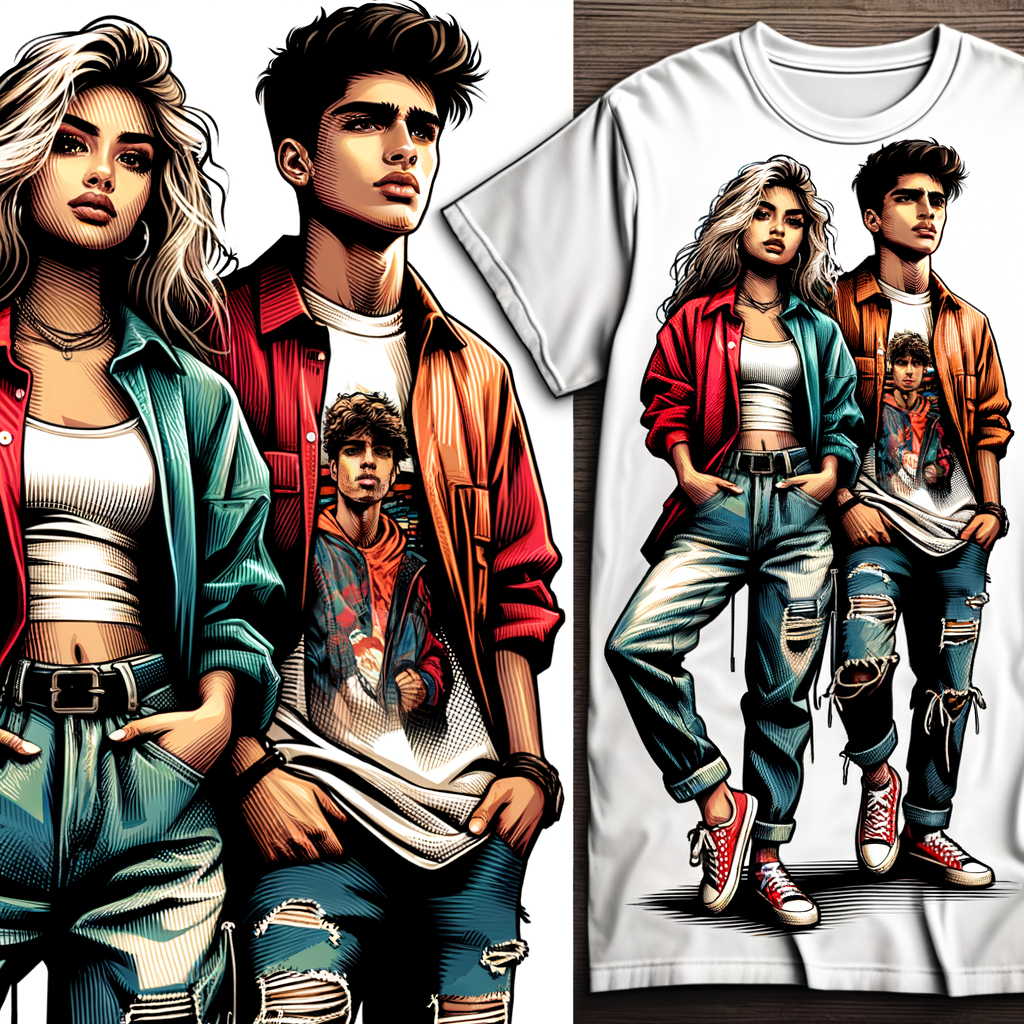
The Science of Color: Find the Best Colors for T-Shirt Designs
Introduction to Color Psychology
The colors that you are going to select for your T-shirt designs will matter a lot when it comes to customer perception. As a print-on-demand (POD) seller, knowledge about how colors can impact human psychology is crucial. The colours you use when designing basic T-shirts or even oversized tees can really determine how good your design is. This blog is going to cover the science of color psychology and how you can use it for choosing the right colors accordingly on your T-shirt design available on Designzr.
How Color impacts our Perception
Emotional Triggers
Colours can influence our emotions and how we feel about a product without us consciously knowing it. Examples of these are:
- Red: communicates energy, passion and urgency. It is an extra-catchy color to be used for flash sales or large announcements.
- Blue: Conveys trust, calmness and professionalism. Corporates use it extensively and a colour that can bond with some crazy crowd types.
- Yellow: Joy, Optimism and Clarity Perfect for youthful themes or playful and non-official designs.
- Green: Nature, growth and health Frequent for green / wellness products.
- Black: Defines luxury, sophistication leaving behind elegance. It would be great for high-end products, and minimal design.
- White: Symbolizes purity, innocence and cleanness It goes with anything and is great for an accent to make other colors pop.
Cultural Significance
Colors have a different connotation in various cultures. In some cultures, white can mean pureness but in others it is for sorrow. Designing with the knowledge of cultural context in mind, to appeal and show respect towards your ideal demographic.
Visual Impact
The color additionally impacts its physical presentation of the design. Vivid, vibrant colors will instantly create eye-catching effects in designs; meanwhile the softer and more muted ones lead to peaceful or delicate look. Contrasting colors can oftentimes balance and serve as a highlight for essential aspects of your design.
The Right Colors for Your Audience
Knowing your audience is crucial to determining which colors would work best. Some of the concerns for various users are:
Age Groups
- Children and Teens: Younger children tend to like colorful hues such as red, blue yellow etc.
- Adults: Navy, maroon or dark green are also popular for adults in cooler seasons
- Seniors: Soft, pastel colors are easier on the eyes and more appealing
Gender
- Men: Primarily darker tones like black, dark blue and green are preferred by men.
- Women: You can experiment with soft tones such as pink and lavender or stronger colors like red and turquoise.
Interests
For designs tailored towards outdoor enthusiasts, earthy colors such as green and brown may come to mind while your tech heads lean on contemporary sleek shades like black, grey or electric blue.
Handy Tips for Effectively Using Color
Limit Your Palette
You may be tempted sprinkle a rainbow of color throughout your designs but sticking to only one or two colors can make everything more cohesive and easier on the eye. Preferably, 2–4 colors that work well together.
Use Contrast Wisely
High contrast will cause the elements in your design to stand out, which is necessary for brand logos or calling more attention on important messages. That said, too high-contrast can tire the eyes as well (yes even with dark mode) so it should be used in moderation.
Try A/B Testing
Tools That Show How Your Colors Will Appear on Different Backgrounds On the Platform you can upload your designs and test them on different T-shirt colors to help choose which work best.
Consider Seasonality
So it might not always be the most seasonal-appropriate color. Bolder brighter shades of yellow or maybe pink could work well with summer designs, while richer deeper tones such as maroon and navy would suit winter collections.
Monitor Trends
With so much that changes, you must stay up-to-date on from color trends. For example: Pantone releases a Color of the Year which usually has an impactful influence on design industries.
Accessibility
Your designs should be inclusive of all by making sure they are also accessible to people with color blindness. Inclusive Design: Consider using a tool to check color contrast ratios or colour blind simulators, so that your designs are experienced by everyone.
Conclusion
Color psychology should play a large part in how you design T-Shirts and an example of why is shown next. If you know what emotions colors evoke and can apply that knowledge by selecting specific color palettes for a target group, you are able to create designs which not only look good but also produce an emotional connection with your customers.
No matter who you are targeting (children, adults, men or women), color can be your secret weapon to differentiate yourself in the crowded print on demand market. To get the most out of your T-shirt designs on Designzr: remember to keep a reduced color palette, ensure contrast balance and follow recent trends.
Play around with various colours on Designzr’s platform to test the look of your design or concept and make sure that it will also match when you see them in final output. Happy designing!